Buying Guide · Footwear
Nike Running Shoes Explained: Pegasus, Vomero, and Structure
A straightforward guide to Nike’s daily running shoe families, plus its road-racing and trail options.
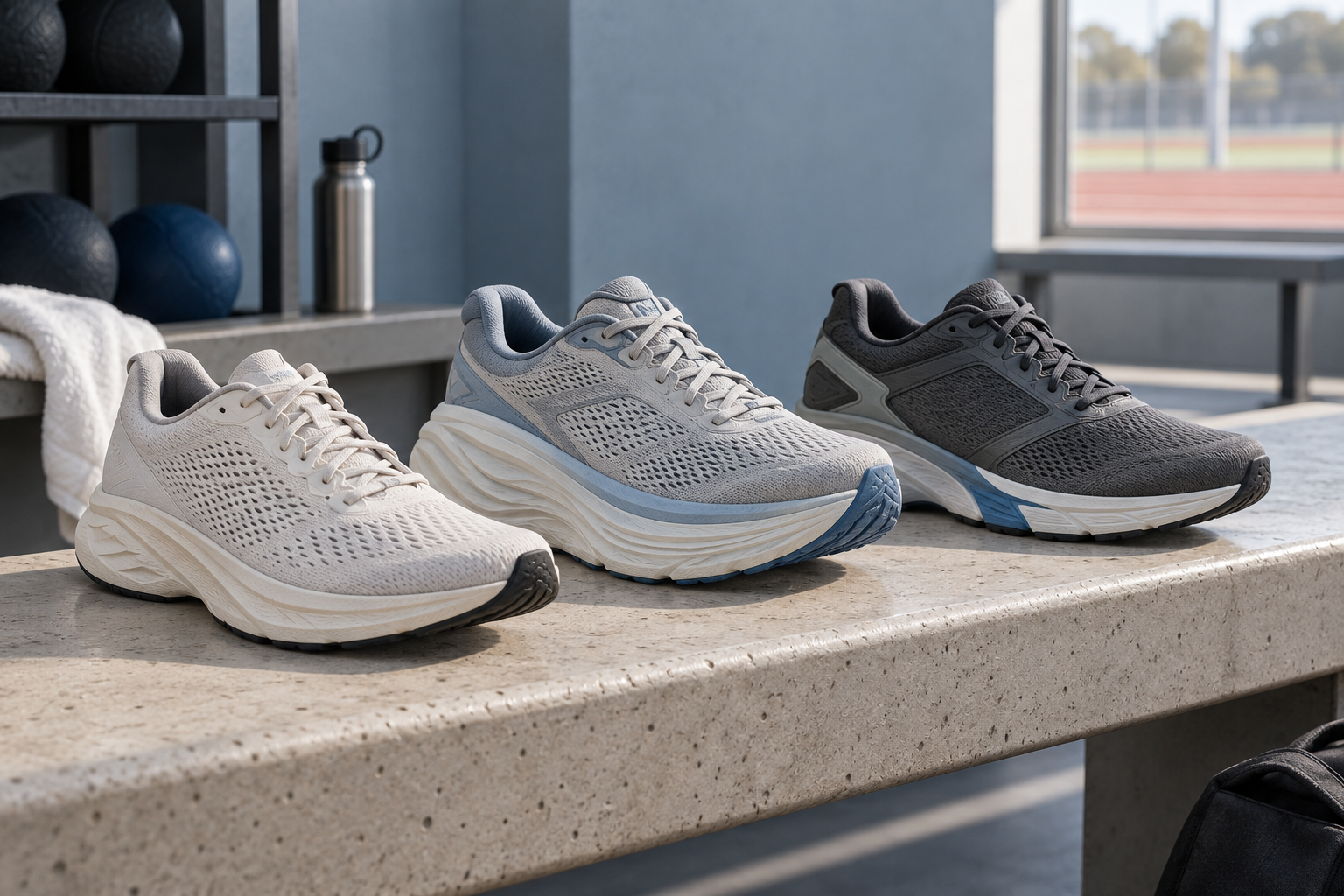
Quick guide
Choose by ride, not price
Nike organizes its core road range around three cushioning experiences.Responsive
PegasusGeneral-purpose road training and a more connected ride.Maximum cushion
VomeroA softer option for easy runs and daily mileage.Supportive
StructureFor runners who prefer a more guided, stable feel.Nike divides its main road-running range by the kind of cushioning a runner wants. Pegasus is the responsive option, Vomero is the maximum-cushioning option, and Structure adds more support. That is the simplest place to start.
This is a researched guide to the current product families, not a hands-on ranking of individual shoes.
Choose Pegasus for a responsive daily trainer
Nike positions Pegasus as its responsive-cushioning line. It is the general-purpose place to start if you want one road shoe for regular training without the softer feel of a maximum-cushion model.
The range includes standard, Plus, and Premium versions at different prices. Do not assume the most expensive version is automatically the best match. Compare weight, cushioning, upper construction, and intended pace on the product page.
Choose Vomero for maximum cushioning
Vomero is Nike’s maximum-cushioning family. It is aimed at runners who prefer a softer, more cushioned ride for daily miles and easier runs.
More cushioning does not guarantee a better fit or a lighter shoe. Try the shoe with your normal running socks and check that your heel stays secure while your toes have room to move.
Choose Structure for more support
Structure is the supportive-cushioning family. It is the line to investigate if you prefer a more guided, stable feel than a neutral daily trainer provides.
Do not buy a support shoe solely because of a wear pattern on an old pair. Comfort matters immediately, and persistent pain is better discussed with a qualified clinician or running specialist than diagnosed from a product description.
Look beyond the daily-training range when necessary
Nike lists Vaporfly and Alphafly as road-racing shoes. Zoom Fly sits in the faster road range, while Pegasus Trail and Zegama are built for off-road use. A race shoe or trail shoe is a different purchase from an everyday road trainer, even when the price is similar.
Start with the surface and type of run you do most often. Buying a specialized shoe for an occasional use can leave you with the wrong shoe for most of your weekly mileage.
Check the fit, not just your usual size
Measure both feet while standing and use the longer measurement. Nike’s official chart notes that the CM number printed on a shoe label is not the same as measured foot length, so compare against the chart’s Foot Length row.
Nike recommends sizing up when a measurement falls between sizes. For a running shoe, also check for a secure heel, comfortable midfoot, and space in front of the longest toe.
Official sources
- Nike road-running shoe range
- Nike’s road-running lineup: Pegasus, Vomero, and Structure
- Nike footwear size chart
Product names and availability can change. The links above were checked on September 15, 2026.